Lately, a lot of AI agent orchestrators have been coming out. I don’t mean the so-called harnesses, which are used to control a model, but the orchestrator that controls several harnesses: what is being called an ADE.
We programmers have a curse: whenever we use a tool or application, we think we could improve it, and this case has been no different.
As we use AI, we start to realize how it could be more useful to us, how to guide it better to complete our tasks more efficiently.
It all starts with adding a few MCPs, creating a skill, a custom subagent, using a harness that gives you more control like pi or OpenCode, always getting closer to having it work the way you like.
But this optimization is endless. The next step is harness orchestrators: tools that can control the instances of Codex, Claude or pi installed on a machine and even, with the current ones, orchestrate instances on several machines at once, whether local or remote, even from a mobile phone, which is much more awkward from native Codex or Claude.
Many have been coming out. The ones I know of are Conductor, Supacode, Paseo, Orca, Superset, Agent Orchestrator, Factory, OpenChamber, Synara… all built by people with their own ideas on how to use agents better and get more out of them.
It’s the code editor of this era. IDEs are falling behind; this is the interface that makes sense today. ADEs also let you view and edit code, but navigating between files is not the main task.
Even I was already building my own in March, orchestrating agents using a kanban board instead of threads.
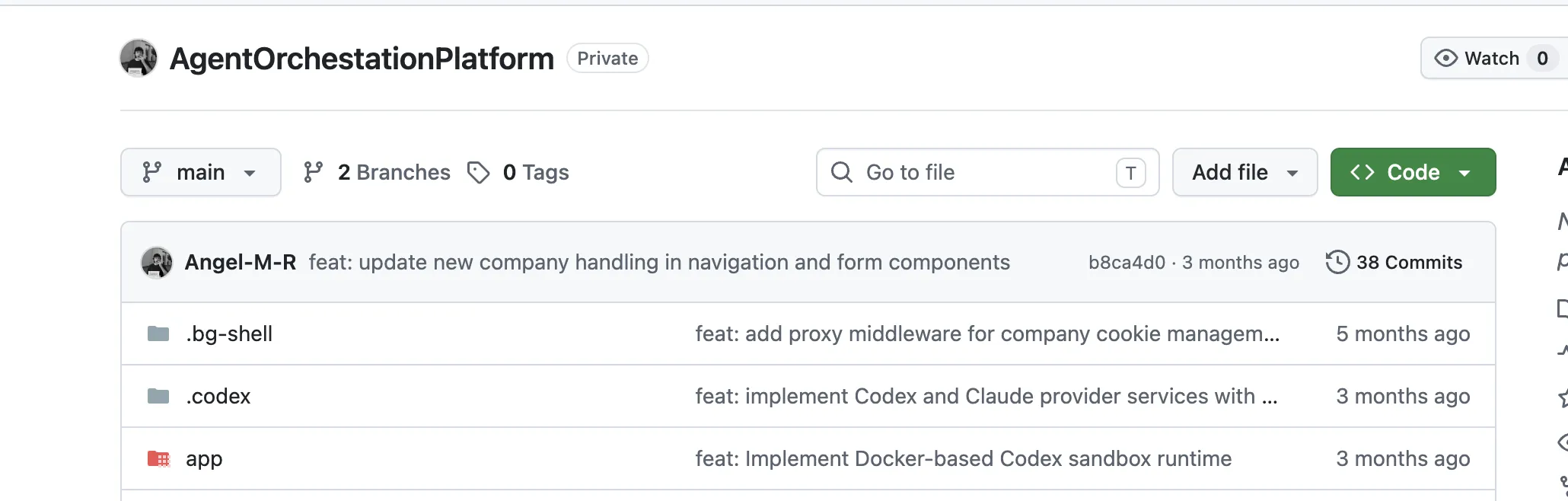
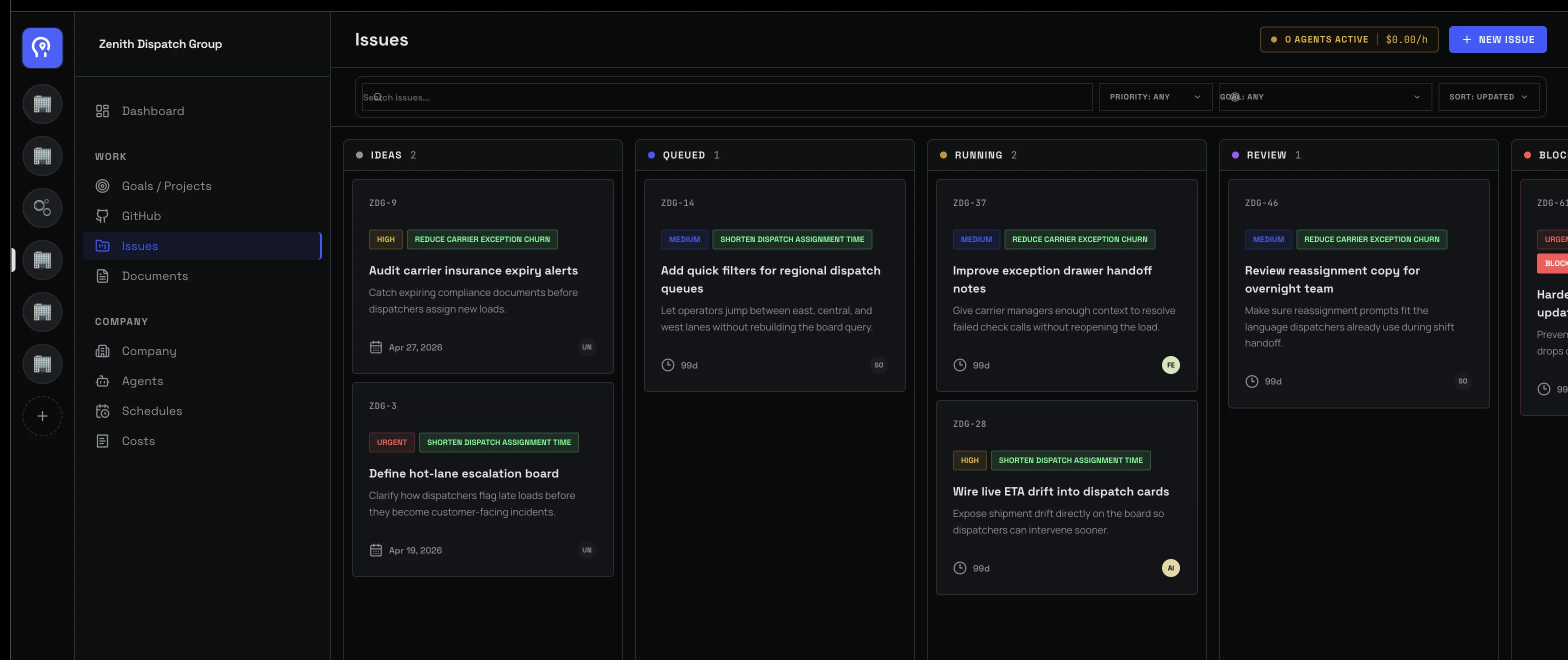
It worked well, and there wasn’t another one like it, until Multica came along with the same premise, being open source and free. They had already solved some things that were on my roadmap, and since they were taking care of maintenance and development, I preferred not to continue with mine.
Later came T3 Code, and it included managing harnesses on different machines, allowing you to have more work running in parallel, manage 40 threads running on a Linux machine with 64 GB of RAM from a MacBook Neo, and close it or turn it off without worrying about the agents stopping. This solution also has big advantages: since you’re using the official harnesses underneath and not an agent framework that requires APIs, you can take advantage of both the large token subsidy and updates to the official frameworks, like Claude’s dynamic workflows or the subagents in Codex’s ultra mode.
This trend is going to continue. I like how some stand out by finding a more original way to work with agents, as Multica does with kanban, Paperclip with persona agents and Hermes with gateways for different communication apps and automatic skill updates.
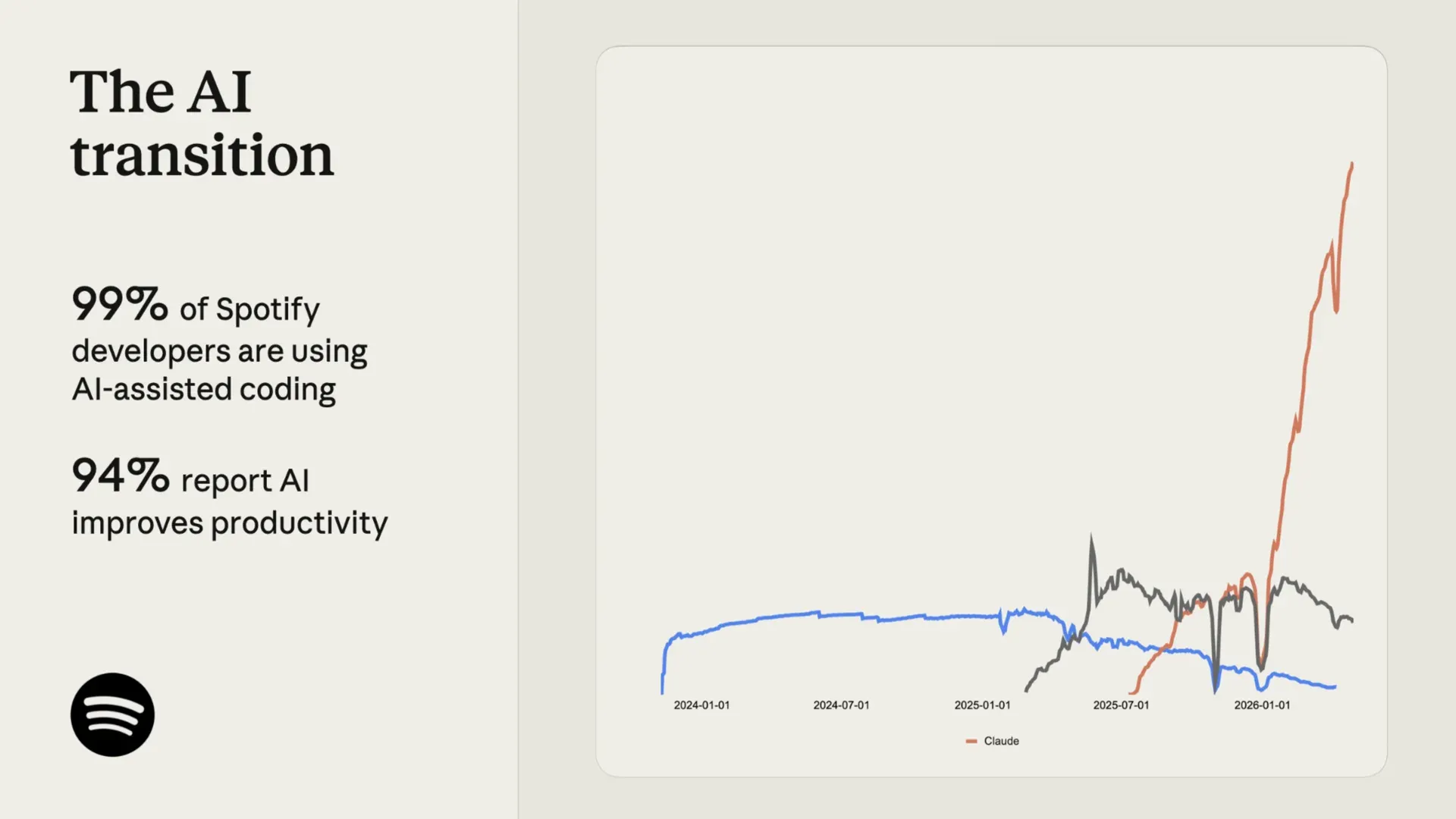
Just today Spotify, the music platform, introduced its own, Xirp (official announcement here), and it’s no surprise: according to their data, they merge 100 PRs a day, with 80% of the code generated by Claude. I wouldn’t be surprised if that figure went up in the coming months.
I also wouldn’t be surprised if companies already doing project management, like Jira or Linear, started releasing their own cloud orchestrators, or if companies already selling servers, like Amazon, did the same. But I’m also starting to notice a change: more and more people are creating their own custom solutions that they don’t share, like this one or this one, because everyone knows what they want for themselves.
I’ve gone back to creating orchestrators myself, this time one focused on research and real-time document editing. I hope to share it soon.
With so much computing being delegated to remote machines and agentic cronjobs being centralized, we’re starting to come full circle toward an automatic software factory that can iterate based on metrics it can get from its users on its own, among many other things.
As I said at the beginning, this optimization is endless and we programmers won’t stop. In this case, I imagine the limit will be a fully autonomous system.
Does this mean that using Codex or Claude no longer makes sense?
No, I also use them when I want to make a quick change or ask a quick question. In fact, for viewing local changes or for prompts that affect several repositories, it’s simpler. But the more the tool advances and the more personalized it is for us, the easier it will be to bring our ideas to life.
In the end, in this agentic era we’re still creating the tools we’ll use in the future; most of them will be left behind in a few months, and with the next model we might not need so much orchestration anymore. That’s why, often, even if you feel like you’re falling behind, what you missed in the past is no longer relevant in the present, just as most of what’s here in the present won’t be relevant in the future.
Whenever you want to make use of the current state of the art in AI and take advantage of the tools available, you’ll have to get on board with whatever the trend is at that moment. In this case, Harness Orchestration.